
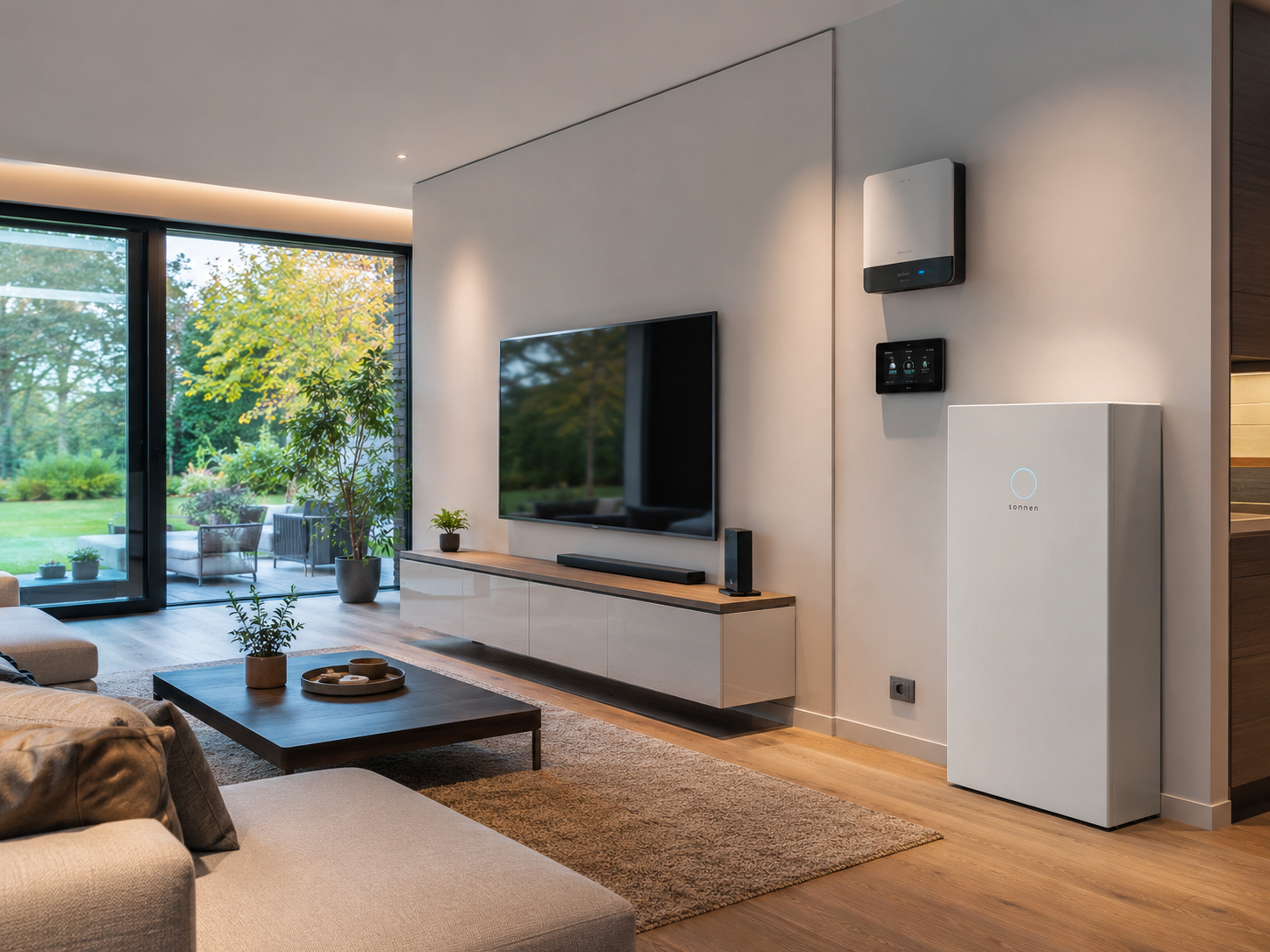
Two years ago, energy storage in Poland was in a regulatory grey area. Today the situation has changed dramatically: the amended Building Law has been in force since January 7, 2026, and new Technical Conditions (WT 2026) are scheduled to take effect on September 20, 2026, further tightening fire safety requirements.
Level 1 — Building Law from January 7, 2026
The Building Law amendment introduced for the first time a statutory definition of electrical energy storage and capacity thresholds determining formalities.
Freestanding storage (outside residential buildings):
- up to 30 kWh — no notification or building permit required
- 30–300 kWh — construction notification + site development plan + fire safety consultations
- 300–2000 kWh — additionally, obligation to notify the Fire Service upon completion
- above 2000 kWh — building permit
Storage inside a building:
- up to 30 kWh — no notification
- 30–300 kWh — notification + technical documentation + fire safety consultations
- above 300 kWh — building permit
Level 2 — WT 2026 Draft (effective September 20, 2026)
The new Technical Conditions introduce the most restrictive fire safety requirements in the history of the Polish ESS market:
- Walls with fire resistance class EI 60
- Ceilings/partitions class REI 60
- Doors EI 30
- OR batteries in an enclosure rated EI 60
- Ban on basement installation of batteries
- Flammable gas detection mandatory
Indoor vs. Outdoor — Legal Analysis
| Criterion | Inside building | External enclosure |
|---|---|---|
| Formalities up to 30 kWh | None | None |
| EI 60 required (from 20.09.2026) | Yes — room or enclosure | No, if >3 m from building |
| Basement ban | Yes | N/A |
| Flammable gas detection | Yes | Usually not |
| Fire propagation risk to building | High | Low |
| Fire service access | Difficult | Easy |
Insurance — Where Installation Loses Coverage
Most insurers' policy terms contain exclusions that may result in claim denial after a fire:
1. Installation and construction errors 2. Gross negligence 3. Lack of maintenance 4. Non-compliance with building regulations 5. Commercial activity on residential policy 6. Liability limits
> ⚠️ Real claim denial scenario: Client has 20 kWh storage in garage. Fire from thermal runaway destroys garage and damages house. Insurance adjuster finds non-compliance with WT 2026. Claim: denied.
Summary
1. Up to 30 kWh — minimal formalities but safety compliance still matters for insurance. 2. Above 30 kWh — outdoor installation 3+ m from building significantly simplifies requirements. 3. From September 20, 2026 — indoor installation requires EI 60 room or EI 60 enclosure.
*Note: This article reflects the legal status as of April 2026 and is for informational purposes. WT 2026 draft may change before taking effect.*