
PassivX Knowledge Base
Latest information about fire safety, BESS technology and our implementations.
Filter articles:
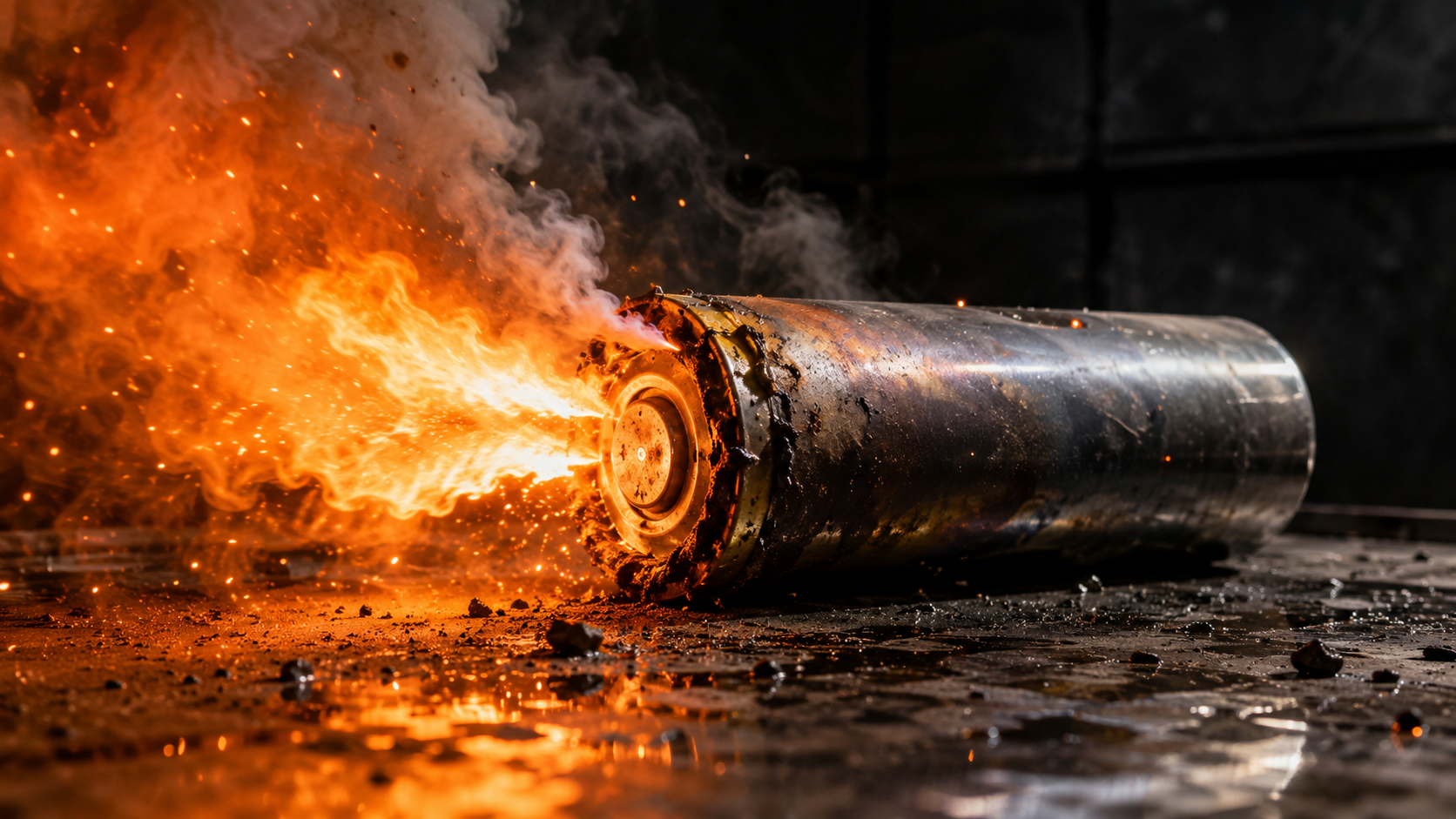
Thermal runaway — a cascading mechanism no fire extinguisher can stop
For PV installers and electricians designing installations with energy storage.
Read more
Energy storage in winter — why frost damages batteries even when the system "works"
For PV installers designing systems that need to operate reliably for 15–20 years.
Read more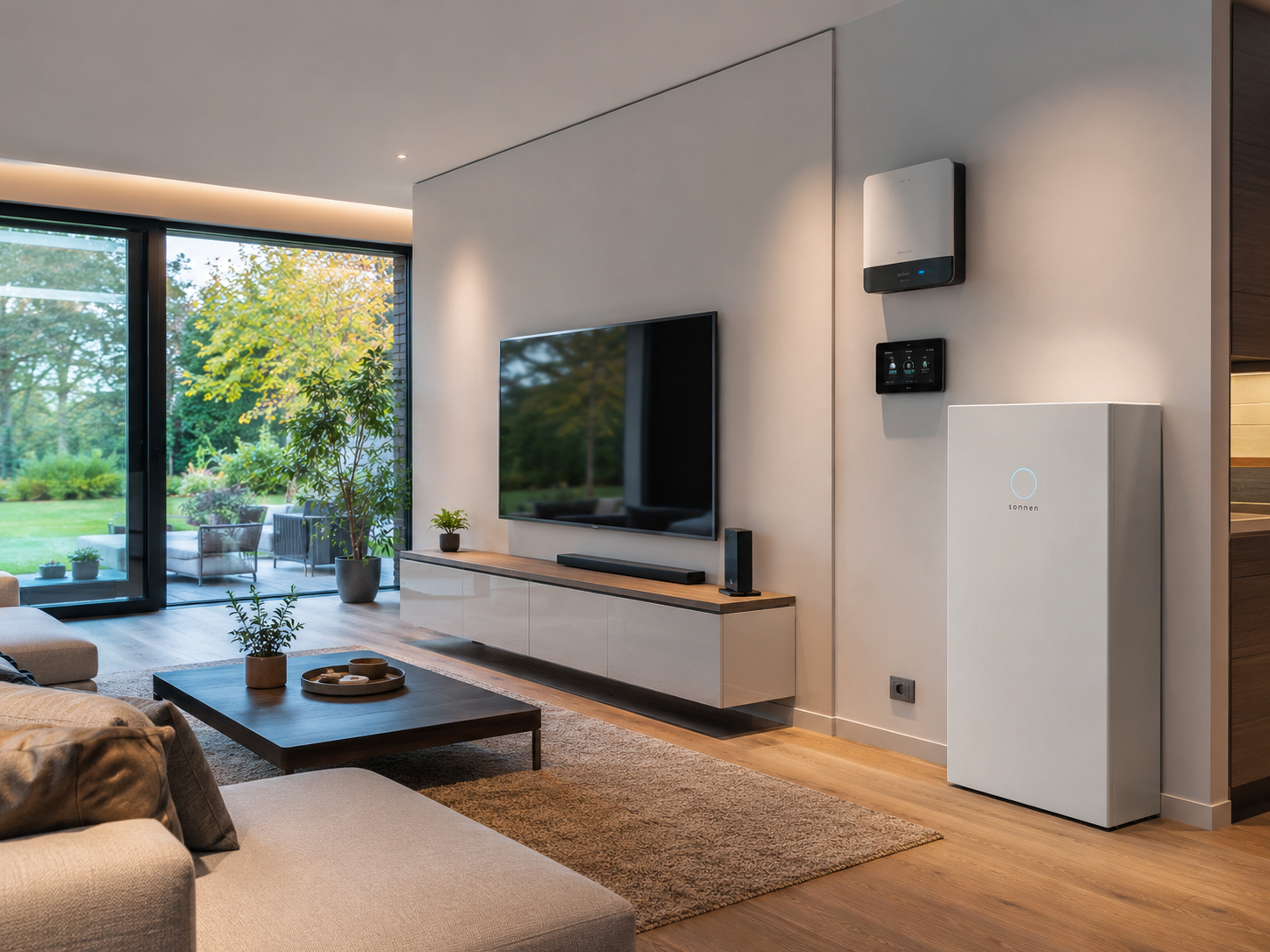
Energy storage at home or in an external enclosure? Regulations, safety and insurance in 2026
For investors, installers and designers — what the regulations really say after January 7, 2026 and what will change from September 20, 2026.
Read more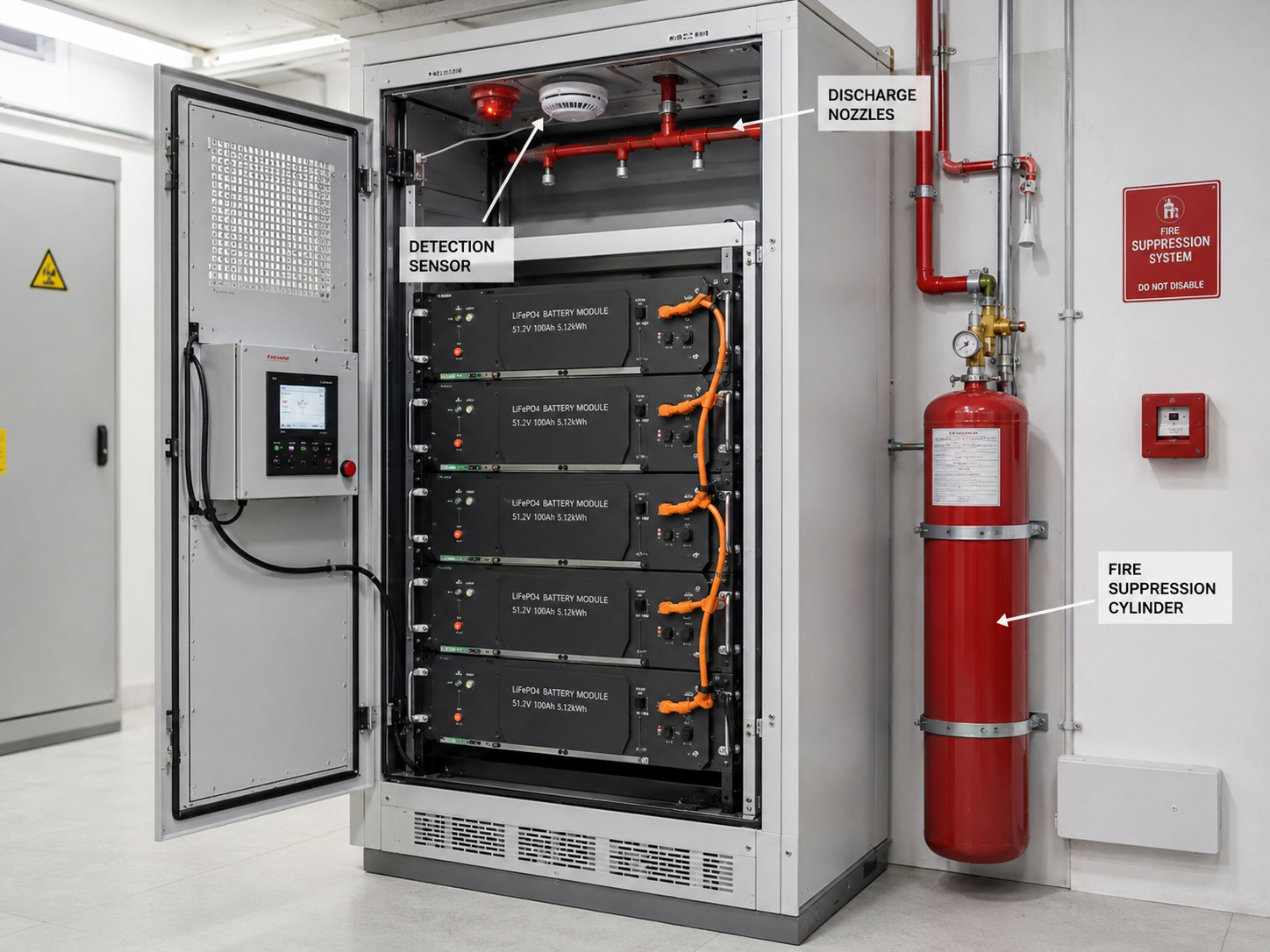
Is LiFePO4 really non-flammable? What research says and why the entire industry installs fire suppression
For homeowners considering energy storage — the full picture of LFP battery safety, backed by scientific data.
Read more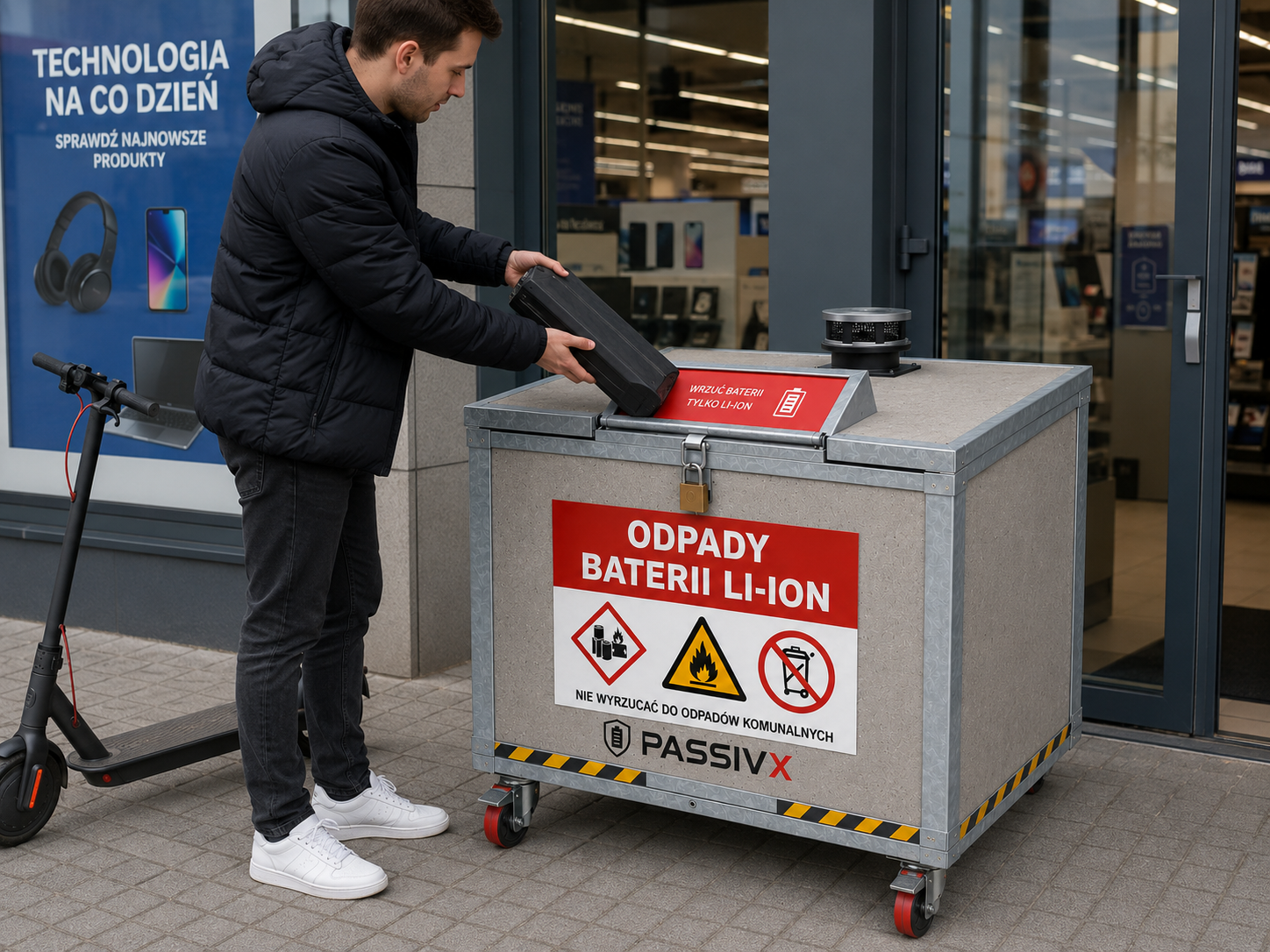
How to safely store used lithium-ion batteries?
A practical guide for stores, service centers, warehouses and lithium-ion battery collection points.
Read more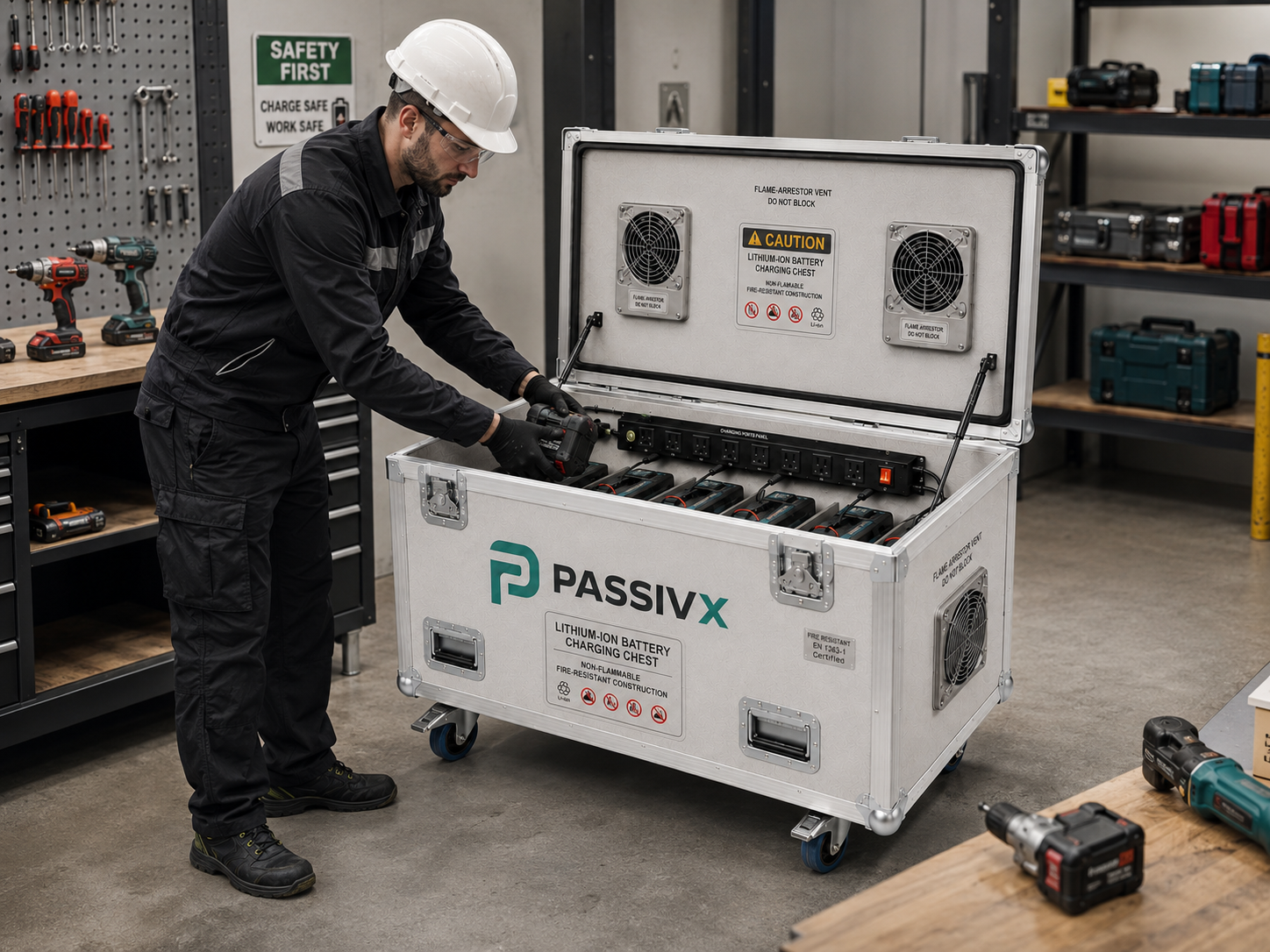
How to safely charge Li-ion batteries from power tools, e-bikes and e-scooters?
A practical guide for service centers, workshops, installation companies, rental fleets and warehouses charging Li-ion batteries.
Read more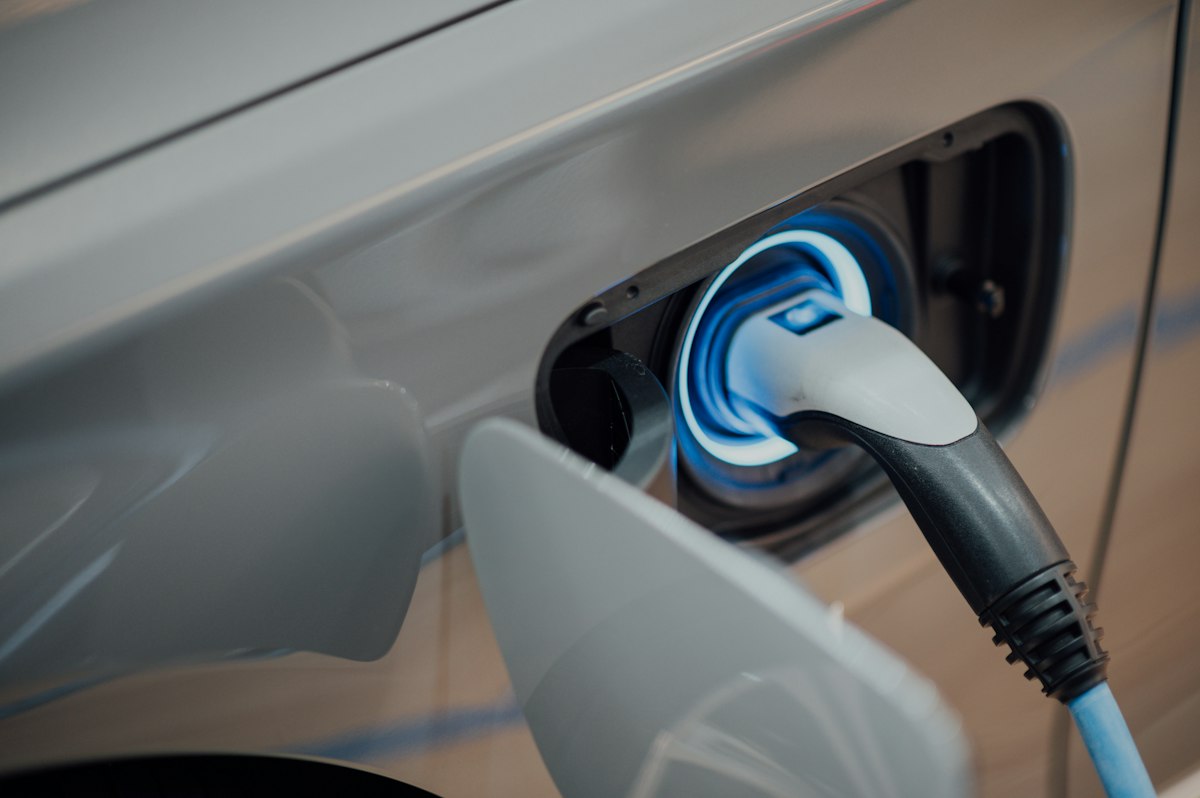
Lithium-ion batteries in energy storage: NMC vs LFP — key differences and behavior in emergencies
Lithium-ion batteries are the backbone of modern energy storage. In practice, two cell families dominate: NMC and LFP. Both are Li-Ion, but they differ in energy density, thermal stability, lifespan and behavior in emergencies — and from a safety perspective these differences are critical.
Read more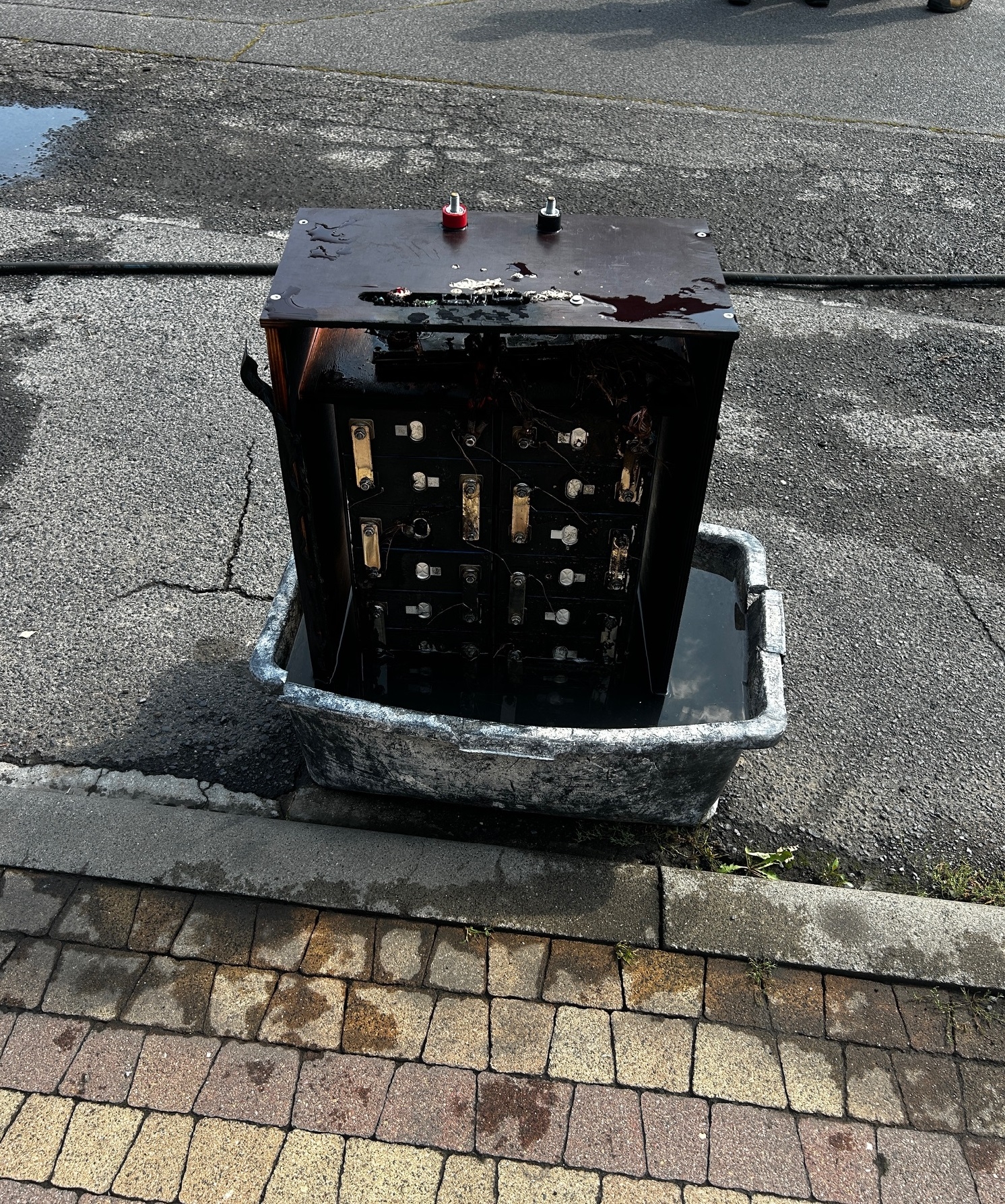
Residential LiFePO₄ energy storage fire in Kozów (Poland) — technical case analysis
Case study of a residential LiFePO₄ battery fire housed in a wooden enclosure (Kozów, Lower Silesia, 15 Aug 2025). Analysis of the likely failure mechanism, fire propagation and design lessons for safer BESS.
Read more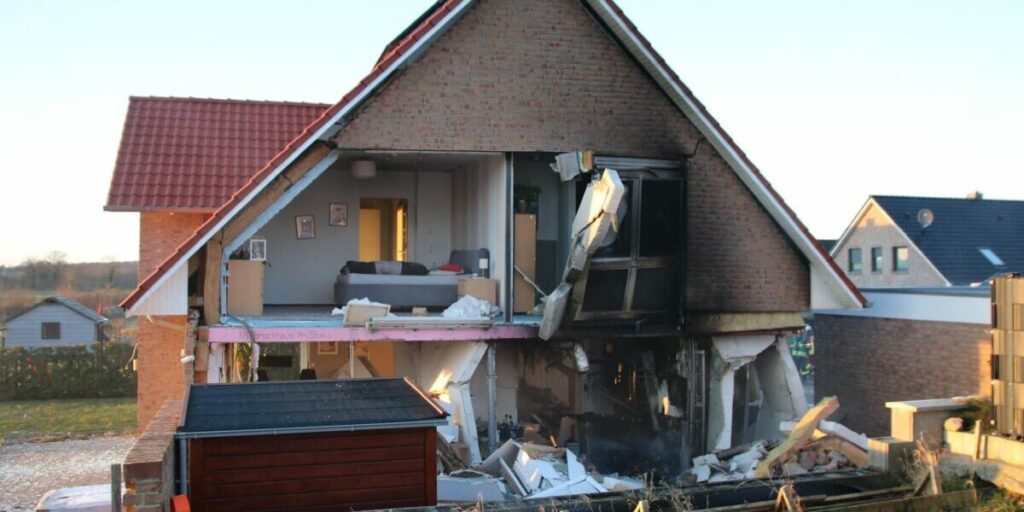
Battery storage explosion without sustained fire — Schönberg (Germany) case and Li-ion vent-gas deflagration mechanism
Case study of a residential battery explosion in Schönberg (Schleswig-Holstein, Feb 2025), where the detonation tore out a load-bearing wall without a sustained fire. Analysis of the Li-ion vent-gas deflagration mechanism and why LiFePO₄ cells can also contribute to explosive events.
Read more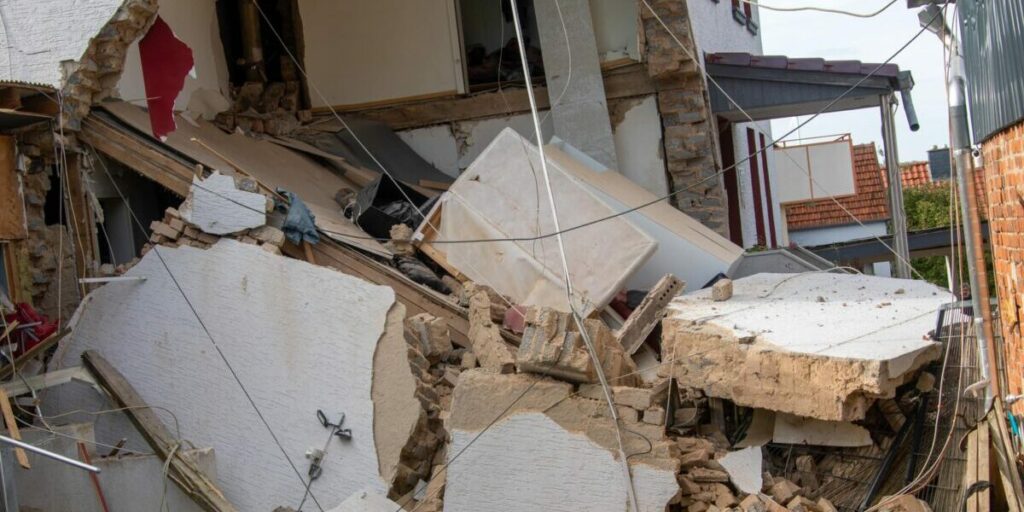
Explosion of a 30 kWh LiFePO₄ home battery in Lauterbach (2023) — scientific analysis
Case study of an LFP home battery explosion in the basement of a residential building — mechanism, data, design conclusions.
Read more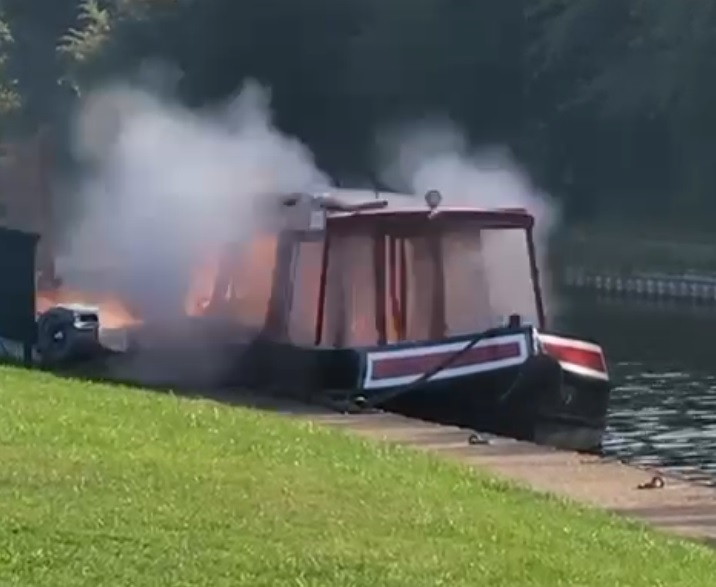
Gayton Marina boat explosion — scientific analysis of a LiFePO₄ blast
Analysis of the canal boat fire and explosion at Gayton Marina (Northamptonshire, 5 August 2025) — the LiFePO₄ pack detonation mechanism moments before firefighting began.
Read more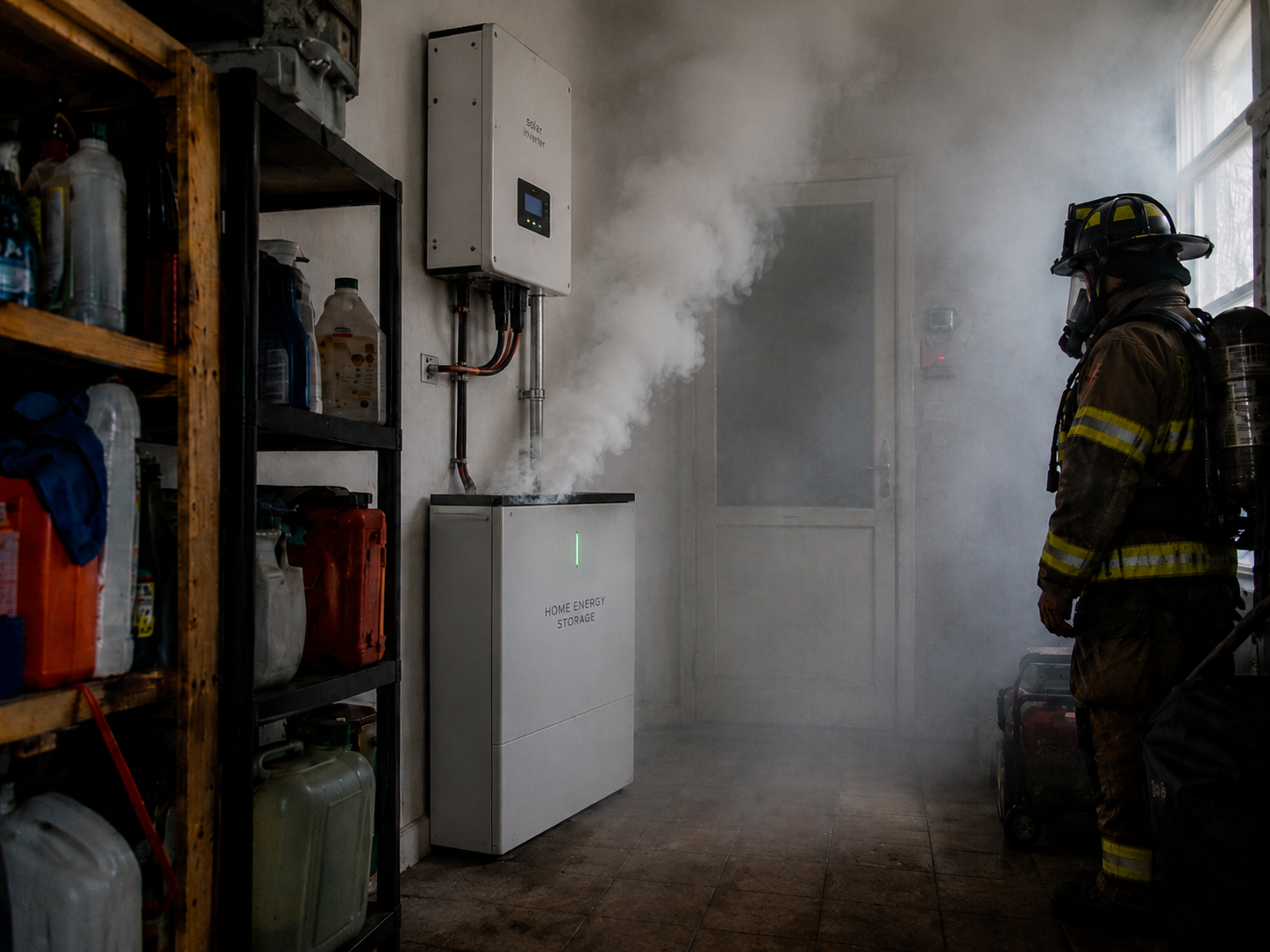
Fire Academy in Warsaw: "Battery gases can be more dangerous than the flame itself"
Battery gas emissions, thermal runaway and early cell-decomposition detection are now part of the Polish scientific debate. Akademia Pożarnicza, Newcastle University and Faraday Institution show that gases can be more dangerous than the flame itself.
Read more